

A sample shipment from a massage chair manufacturer or a massage equipment supplier usually contains more than the unit itself. It arrives with a carton, a retail gift box, a power adapter, a printed manual, a rating label on the housing, and, on request, the test reports that sit behind that label. You can also find the same items packed differently for each market you intend to sell into, whether that market buys massage chairs, foot massagers, massage guns, eye massagers or wearable massagers.
Judging a supplier from a single product photograph is not the same as approving a bulk order. The process must begin with the specification sheet, because a massage chair sample is only meaningful when it is measured against the numbers you were quoted. After that, you should confirm the build matches the market you are buying for, since voltage, plug type and label wording change with the destination. It is also vital to test the functions in the order a customer would meet them, not in the order the manual lists them. Another key step is to compare the sample against the artwork you intend to print, because a claim printed on a gift box creates a different obligation from the same words in a brochure. Finally, you should record what you accepted, with photographs and measurements, so a later massage chair wholesale order can be checked against the same baseline. These steps ensure that the sample becomes a reference rather than a one-off.
What Should a Massage Chair Sample Be Measured Against?
A sample is evidence, and evidence only counts when it is compared with something. The specification sheet is that something, so the first pass is a line-by-line comparison rather than a visual impression. Where the sheet is silent, the gap itself is worth recording, because an unstated value is easier to settle before an order than after one.
Specification Checks for Massage Chairs
The values that change a buying decision are the mechanism type, the guide rail length, the air bag count, the rated power, the rated voltage, the noise level, and the packing dimensions and weights. A chair described as a four-dimensional mechanism on a long guide rail should be measured for rail length and checked for the depth of stroke, not only for the presence of movement. Dimensions matter as much as features, because floor space and wall clearance decide whether the chair fits the room your customer has.
Specification Checks for Wearable and Compact Massagers
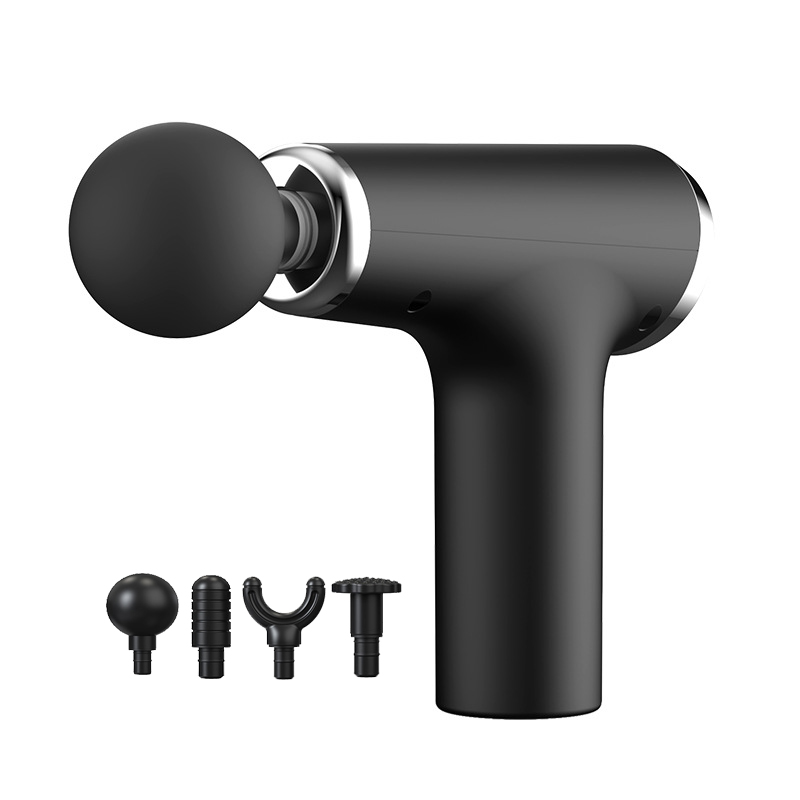
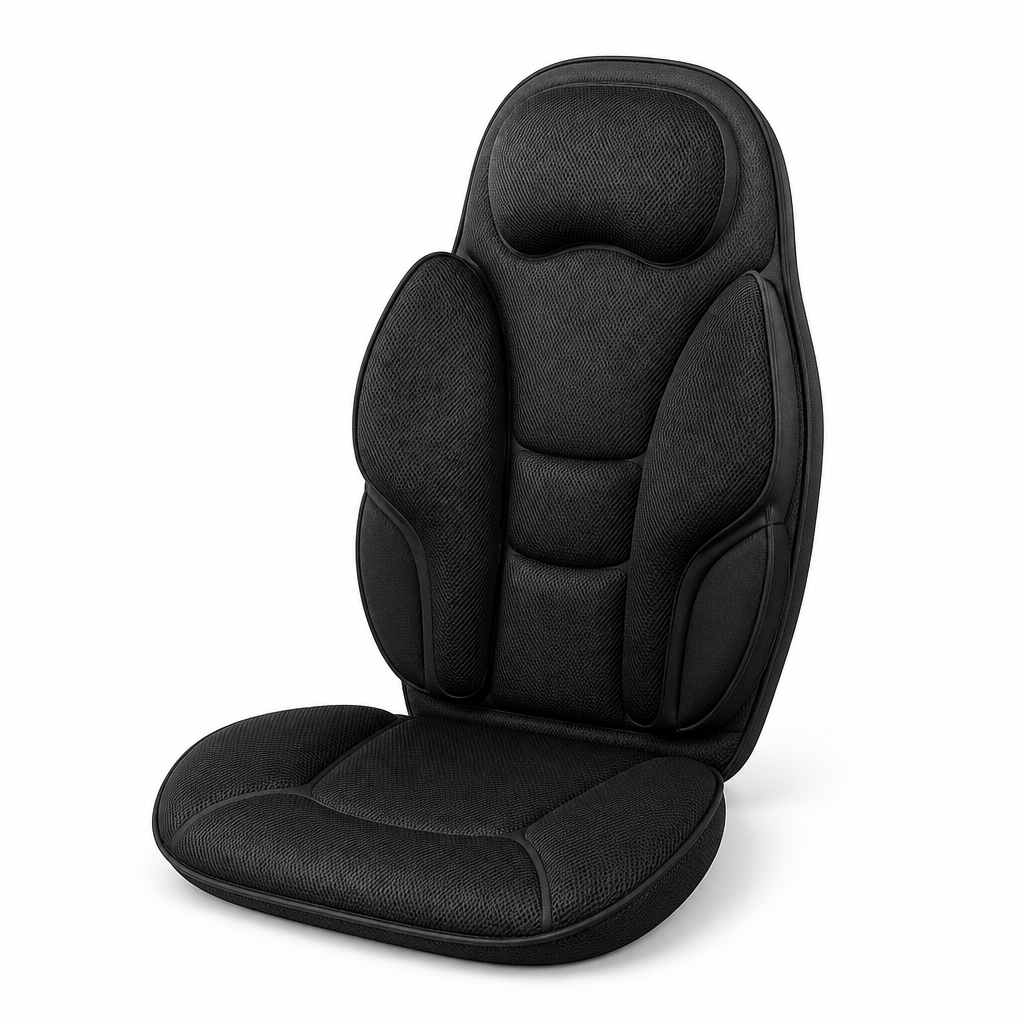
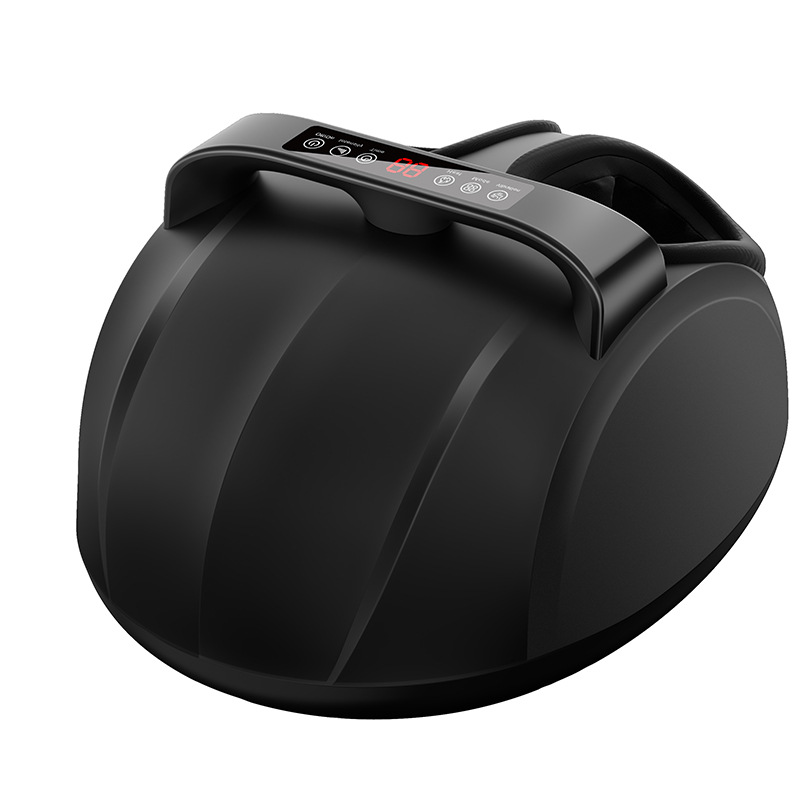
For a wearable massager, a compact massager, a neck massager or a leg massager, the values to confirm are the charging time, the working time per charge, the battery capacity, the contact materials, the number of massage modes and the number of intensity steps. A massager sold with a rechargeable battery should be run from full charge to cut-off at least once, because the stated working time is the figure a retail listing is most likely to quote back at you. Contact materials deserve the same attention, since a removable and washable pad is a different promise from a fixed one.
Which Functions Should Be Tested on a Massage Equipment Sample?
A specification sheet describes what a product is, while a function test describes what it does. Both are needed, and the second one cannot be delegated to a photograph.
Function Testing for Massage Chairs
Run the automatic programmes end to end and count them, then do the same for the manual programmes and the intensity steps. Operate the recline and the leg extension through the full range of travel, and listen for the noise level at the noisiest point rather than at start-up. Check the air bag zones one at a time, because a chair can reach its stated bag count while one valve under-performs.
Function Testing for Wearable and Compact Massagers
Test the control sequence a first-time user would follow, including power-on, mode changes and the automatic timer. Wear the device for a full cycle to judge fit and pressure, since a headband that reads as adjustable on paper may not hold position. Where a device offers heat, confirm how long it takes to reach temperature and whether the heat is even across the contact area.
How Should the Rating Label and Packaging Be Checked?
The label is the part of the product that customs officers and market inspectors read first, so a mismatch between the label and the documents is the most expensive defect to correct after shipping.
Label Checks for Massage Chairs
The rating label should carry the model, the rated voltage and frequency, the rated power, the manufacturer identification, and any marking required by the destination market. Confirm that the wording on the label matches the declaration of conformity, including the model designation and the voltage variant. Where a massage chair supplier offers more than one voltage, ask which certification document covers the variant you are buying rather than assuming one file covers all of them.
Label Checks for Wearable and Compact Massagers
On a battery-powered device, check the label on the unit and the label on the power adapter separately, because the adapter is often certified under its own file. Confirm that the adapter you receive is the one named in that file, and that the plug type matches the destination. A USB charging port is worth inspecting closely, since connector type is a detail that is easily carried over incorrectly from an earlier model description.
Which Claims Should Not Appear on Sample Artwork?
Artwork decisions are cheaper to change before printing than after. Words that describe comfort, relaxation or a massage routine sit in one category, while words that describe a condition, a symptom or a treatment outcome sit in another. A gift box, a manual and a product listing all carry the same obligation, so the same review should be applied to each of them. If the artwork you receive describes a medical outcome, raise it before the print run rather than after the cartons arrive.
What Should Be Recorded After the Sample Is Approved?
Keep the measurements, the photographs, the label wording and the artwork files together as a single reference set. Note the date, the model, the voltage variant, the minimum order quantity and the lead time, and the accessories that were present in the box. When a later bulk order arrives, that set is what a comparison is made against, and it is also what a massage chair factory refers to when a revision is proposed. A sample that is not recorded becomes an opinion, and opinions do not survive a shipment.
Massage Chair Sample Verification Checklist
| Importer requirement | Item to verify on the sample |
|---|---|
| Specification accuracy | Model, voltage, power, mechanism type, rail length, bag count, dimensions |
| Market fit | Plug type, label wording, voltage variant, packing configuration |
| Function performance | Programme count, intensity steps, timer, heat behaviour, noise level at load |
| Battery claims | Charging time, working time per charge, adapter file and plug type |
| Packaging and artwork | Carton dimensions, weights, gift box wording, claim review before printing |
| Commercial terms | Minimum order quantity, sample price, lead time and packing list |
| Traceability | Reference photographs, measurements, label copy and artwork filed per model |
Molink manufactures massage chairs, foot massagers, massage guns, eye massagers and other wellness equipment for importers, distributors and private-label brands, and supplies samples before a bulk order. For OEM and ODM enquiries, contact famolink@163.com.
Frequently Asked Questions About Massage Chair Samples
Is a massage chair sample identical to a production unit?
It is meant to be, but it is not guaranteed. Confirm which build the sample represents, and record the accessories, the label copy and the packaging so the first bulk shipment can be compared against it.
Should a massage chair sample be tested at the destination voltage?
Yes. A unit built for one voltage may behave differently from the version you intend to import, so test the variant you are buying rather than the one that happened to be in stock.
How long does massage chair sample approval take?
It depends on what has to be verified, and on whether the artwork needs revision. The measurements, the function tests and the label review can be done in one working session, while a claim review or a voltage change adds a round of revision.