


Massage chair import duty is one line in a landed cost calculation that has several lines. Importers who quote a retail price from the supplier quotation alone usually discover the gap when the goods arrive, because duty is calculated on a value that includes more than the unit price, and because freight, insurance and local charges all move the number. The reliable approach is to build the cost model before the order, not after the invoice.
This guide sets out the items that belong in a landed cost model for massage chairs, which of them depend on the classification, and what to confirm with a customs broker in the destination market. Duty rates, thresholds and local charges differ by market and change over time, so this article names the questions rather than the figures. The table and FAQ at the end list what to confirm.
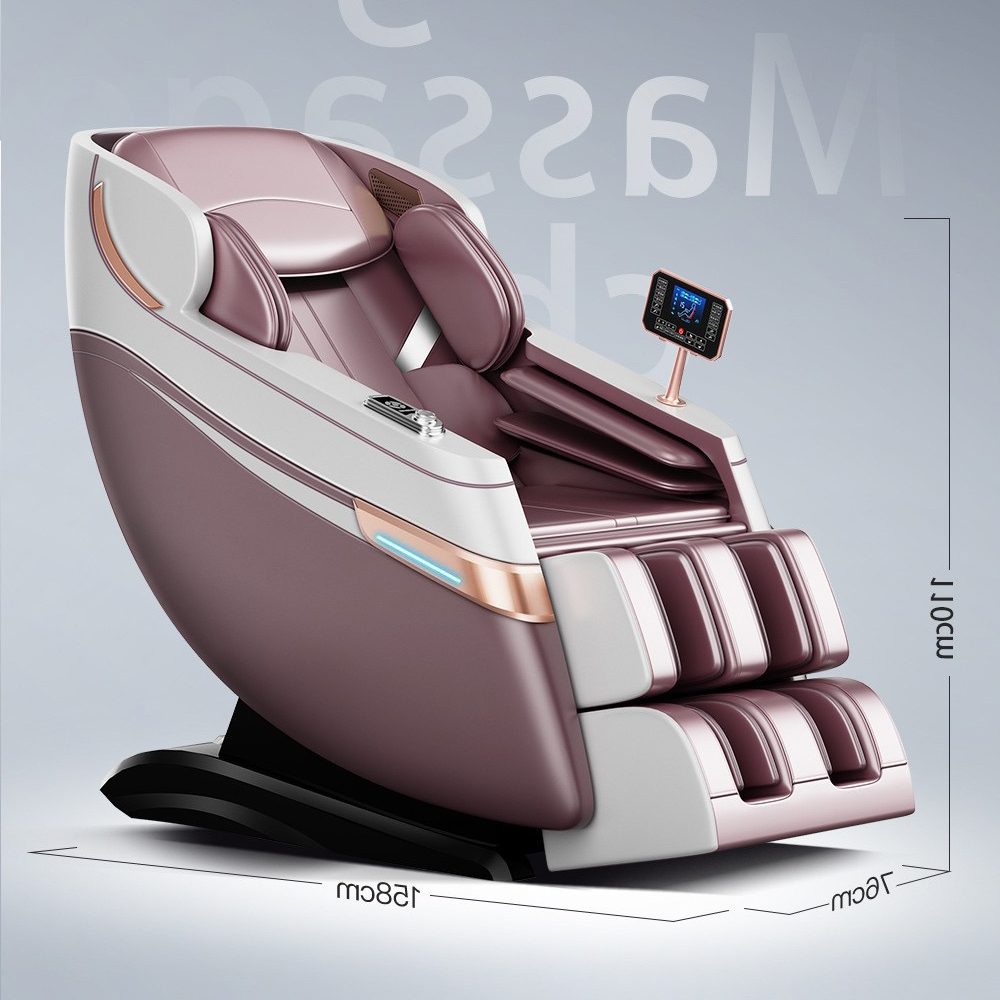
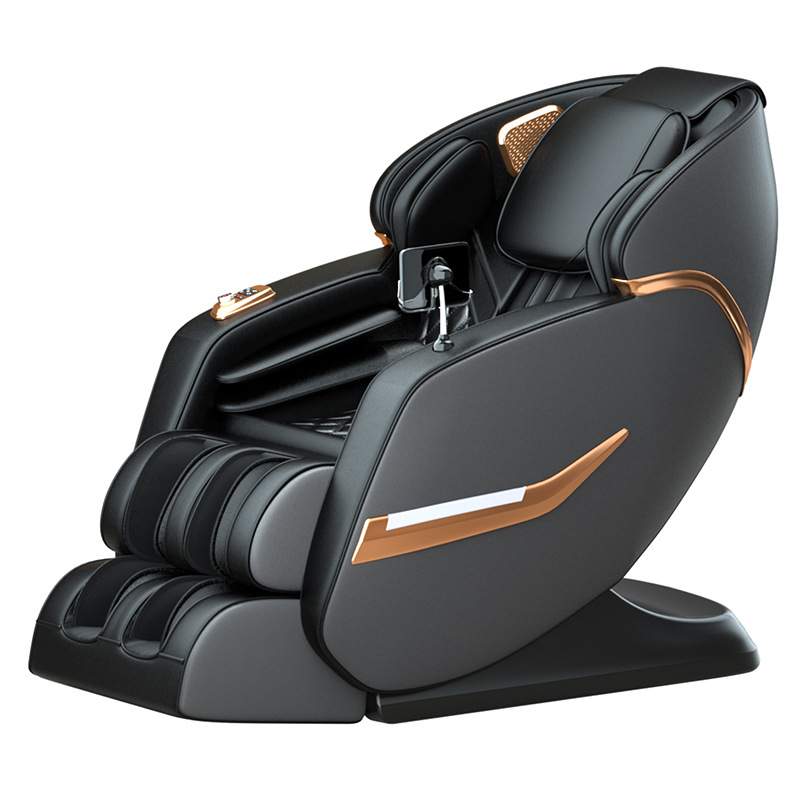
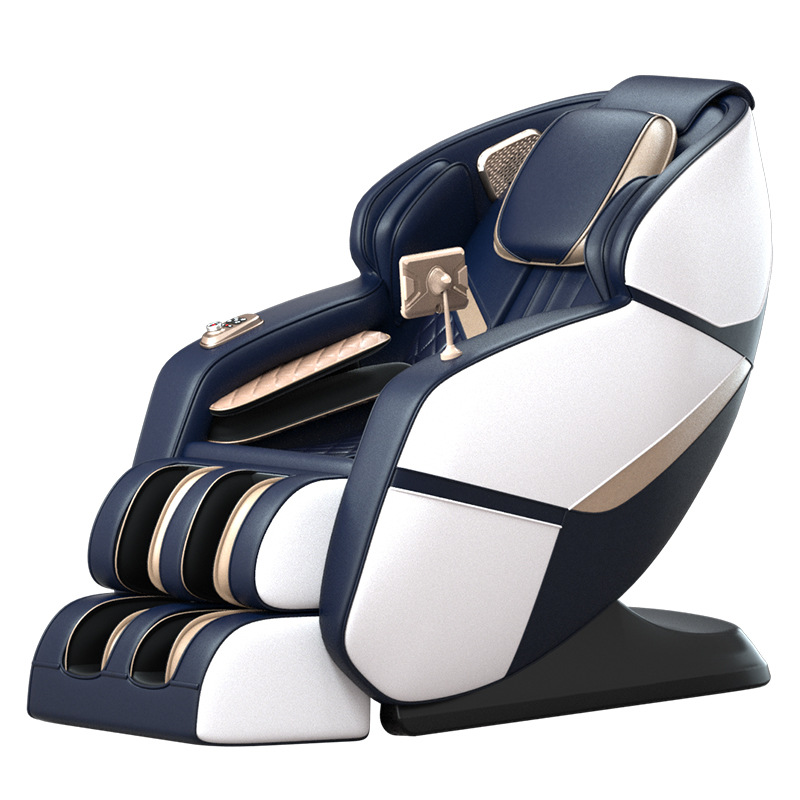

What the Massage Chair Import Duty Is Calculated On
Duty is calculated on a customs value, and the customs value is built from the price actually paid or payable plus the adjustments the destination authority requires, which can include freight and insurance depending on the trade term agreed. This is why the same chair from the same supplier can show a different landed cost when the trade term changes.
Confirm with your broker which of freight, insurance and local charges are included in the customs value for your shipment, and how the value is declared when the order includes free items, samples or promotional units.
Items That Belong in a Landed Cost Model
Build the model from the container, not from the unit. Start with the supplier price at the agreed trade term, then add freight, insurance, duty, any local taxes at the point of entry, port or terminal charges, clearance fees, inland transport and the cost of the inspection if you arrange one.
Then divide by the number of sellable units after allowing for the units kept for spares or display. Cost per sellable unit is the figure the channel decision rests on, and it is usually higher than the figure quoted by the supplier.
Why Classification Affects the Duty Line
Where a product family sits inside the tariff affects the rate applied to it. Because massage chairs and body massagers are grouped by function and intended use, the description you declare can influence which rate the authority applies. That is a question for a broker, and it is worth settling before you commit to a retail price. The classification steps are set out in our massage chair HS code guide.
Accessories and spare parts may be declared differently from the main unit. If your order includes mats, covers or spare modules, list them separately so the declaration is deliberate.
Trade Terms and Who Pays What
The trade term decides where the supplier cost ends and your cost begins. Under free on board terms the main carriage is arranged by the buyer, so freight enters your model directly and is normally included in the customs value. Under delivered terms the supplier arranges more of the journey, and the invoice value is correspondingly higher.
Compare supplier offers on the same trade term, otherwise the comparison is not meaningful. Ask each supplier to state the trade term beside the price.
What the Supplier Confirms and What the Broker Confirms
Two parties answer different halves of the same question, and mixing them up is the most common reason a landed cost model turns out wrong.
A manufacturer can confirm the product description, the material and function of the unit, the model reference, the net and gross weight, the carton dimensions, the document set available for that model, and the trade term the price is quoted on. These are the inputs a broker works from, and they should be given in writing.
A customs broker or freight forwarder in the destination market confirms the classification, the rate that applies, the customs value basis, whether preferential treatment is available under a trade agreement, and the local charges at the port. These are the answers that produce the final number.
Ask the supplier for the inputs before you ask the broker for the rate. A broker who receives weights, dimensions and a precise product description can usually answer in one exchange instead of three.
Documents That Travel With the Shipment
Clearance slows down when a document is missing or when two documents disagree on weight or value. The list below is the set a broker normally asks for on a massage chair shipment.
| Document | Who issues it | What it decides |
|---|---|---|
| Commercial invoice | Supplier | Declared value and the trade term |
| Packing list | Supplier | Carton count, gross and net weight, loading plan |
| Bill of lading or airway bill | Carrier or forwarder | Transport evidence and release of the goods |
| Certificate of origin | Issuing body in the exporting country | Whether a preferential rate can be claimed |
| Test reports | Testing laboratory | Compliance evidence if the authority asks for it |
| Product label and manual | Supplier | Model, rated voltage and power, market language |
The certificates behind the test reports are described in our massage chair certification checklist. Ask for copies at quotation stage, not at loading, so a gap in scope can be resolved before the production slot is fixed.
Massage Chair Import Duty Verification Checklist
Before the order is placed, confirm each line below with the party who actually owns the answer. A line answered by assumption is a line that reappears as a cost later.
| Importer requirement | Factor to review |
|---|---|
| Customs value basis | Whether freight, insurance and local charges are included for your agreed trade term |
| Classification | Confirmed with a broker against the product description and intended use |
| Freight and insurance | Quoted for the actual container plan rather than per unit |
| Local charges | Terminal, clearance and inland transport listed separately |
| Accessories and spares | Listed separately on the invoice so their declaration is decided deliberately |
| Cost per sellable unit | Calculated after reserving units for spares and display |
Frequently Asked Questions About Massage Chair Import Duty
Can a supplier tell me the duty rate?
A supplier can describe the product and provide documentation, but the rate depends on the destination market and the classification declared there. The rate should be confirmed by a customs broker or forwarder in the importing country.
Why is the cost per unit higher than the quotation?
Because the quotation covers one line of the landed cost. Freight, insurance, duty, local charges, clearance and inland transport all add to it, and reserving units for spares reduces the number of sellable units the total is divided by.
Does the trade term change the duty amount?
It can change the customs value the rate is applied to, because some markets add freight and insurance to the price paid when those are not already in the invoice value. Whether your shipment is treated that way is a question for the broker in your market.
Are spare parts declared differently from the chair?
They often can be, because a spare module is not the same article as a complete chair. Put spare parts and accessories on a separate invoice line with their own description and quantity, so the decision on how to declare them is made on purpose rather than by default.
What should I ask the supplier before costing?
Confirm the trade term beside the price, the container plan for the model mix, which accessories are included, and whether the certification available for the models can be supplied as document copies. Those four answers let a broker work without asking you to go back to the supplier.
Which weight and dimension figures should the supplier give?
Ask for net weight, gross weight and carton dimensions for each model, not an average across the range. Freight is quoted on the container plan built from those figures, and a model that is a few centimetres wider can change how many cartons fit.
Does ordering a full container change the duty rate?
The rate is applied to the value of the goods, so a full container does not change the rate itself. It does change the freight and handling carried by each unit, which moves the landed cost per chair even when the rate stays the same. Container planning and mixed loading are covered on our wholesale massage chair page.
Get a Landed Cost Input Sheet
Molink can supply the inputs your broker needs for a massage chair shipment: model references, net and gross weight, carton dimensions, and the document set available for each model. Send your destination market, planned model mix and target quantity to sales@molinkpro.com or use the contact page.
If you are still choosing which models go in the container, read importing massage chairs from China for the first order sequence, or review the massage chair manufacturer page for production capacity and quality control.
Duty rates, thresholds and local charges are set by the destination market and change over time. Confirm the figures with a licensed broker before committing to a retail price.