

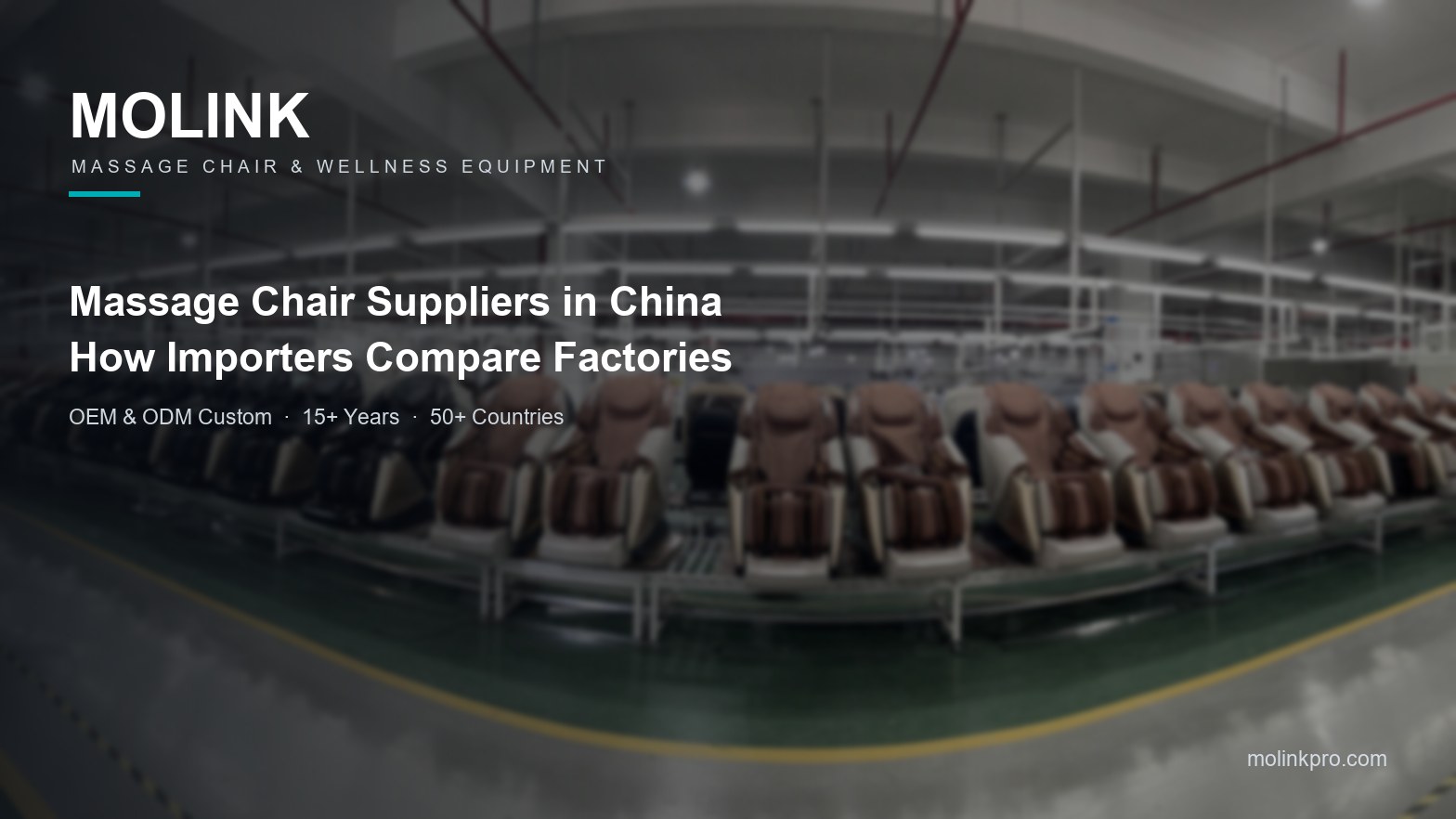
Massage chair suppliers in China are not interchangeable. Two suppliers can offer the same model photo and still differ in track design, upholstery grade, remote firmware, carton protection and the paperwork attached to the shipment. For an importer, the comparison is therefore not about who quotes first, but about which supplier can repeat the same build across repeated orders.
This guide sets out the comparison points that decide whether a supplier is a temporary sourcing option or a long-term production partner. It covers range structure, mechanism and material questions, certification scope, spare parts planning and the documents to collect before the first order. Read it alongside the evaluation table at the end and the FAQ before you begin outreach.
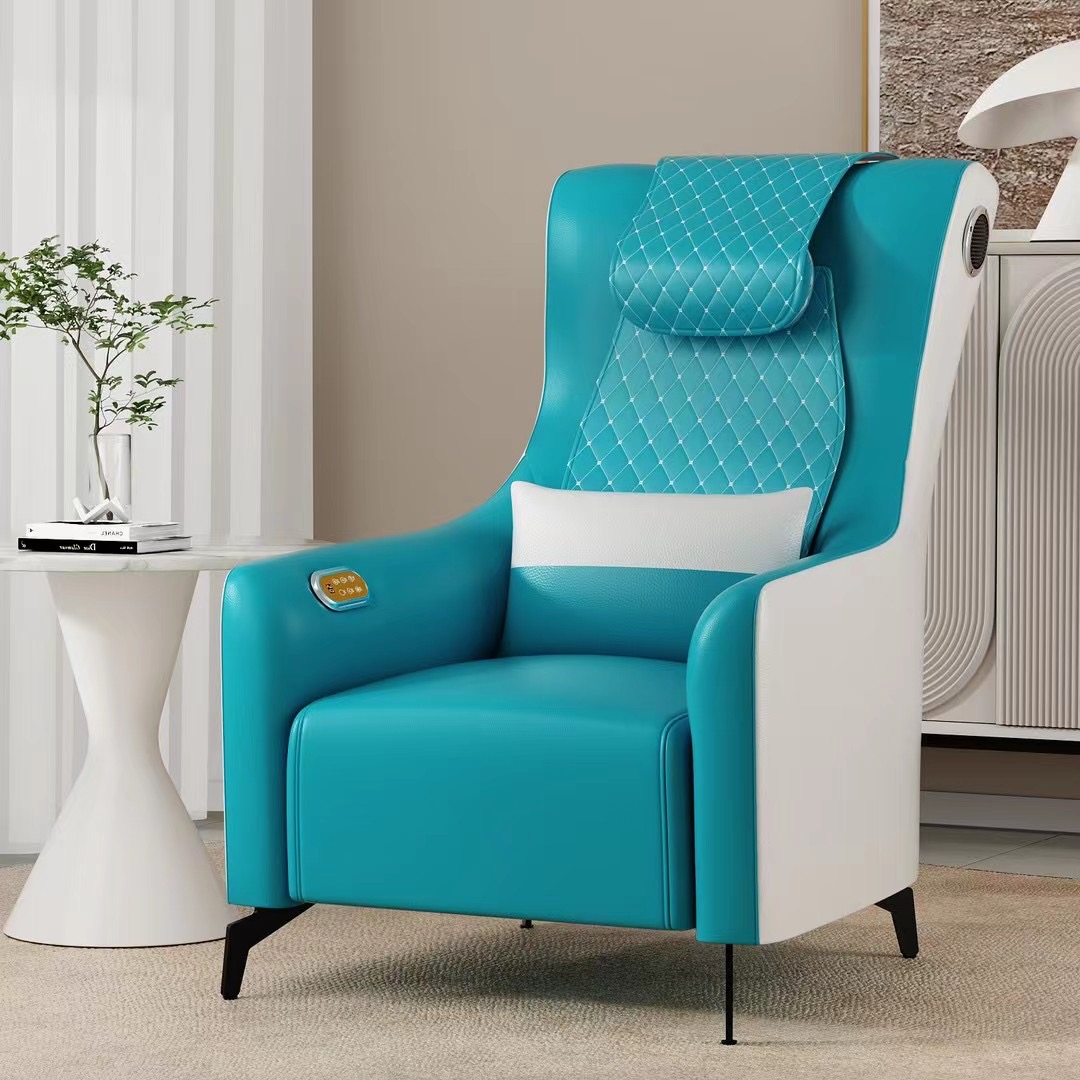
Massage Chair Suppliers in China: What Changes Between One Factory and Another
The first difference is range depth. A supplier with a narrow catalogue usually buys finished units from a third party and resells them. A supplier with a full ladder, from entry home models through luxury recliners to commercial units, is normally closer to the tooling and can support private label work. Ask which models are produced in house and which are sourced, and ask it in writing.
The second difference is mechanism language. Terms such as 2D, 3D, 4D, SL track and zero gravity are used loosely in the market. A reliable supplier can explain what the roller does in its own model, how the track follows the body, and how the airbags are grouped. If the answer is only a marketing phrase, the technical support behind the order is likely thin as well.
Range Structure and Model Ladder
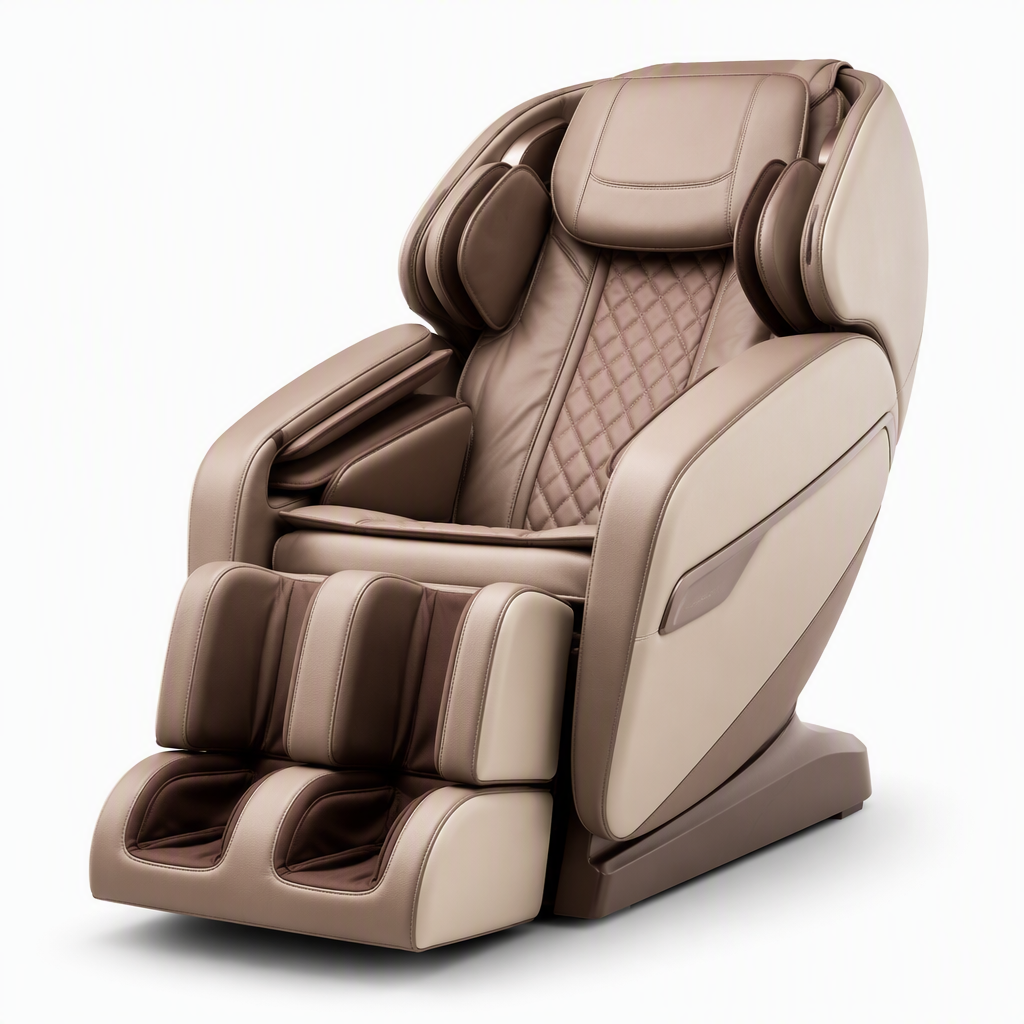
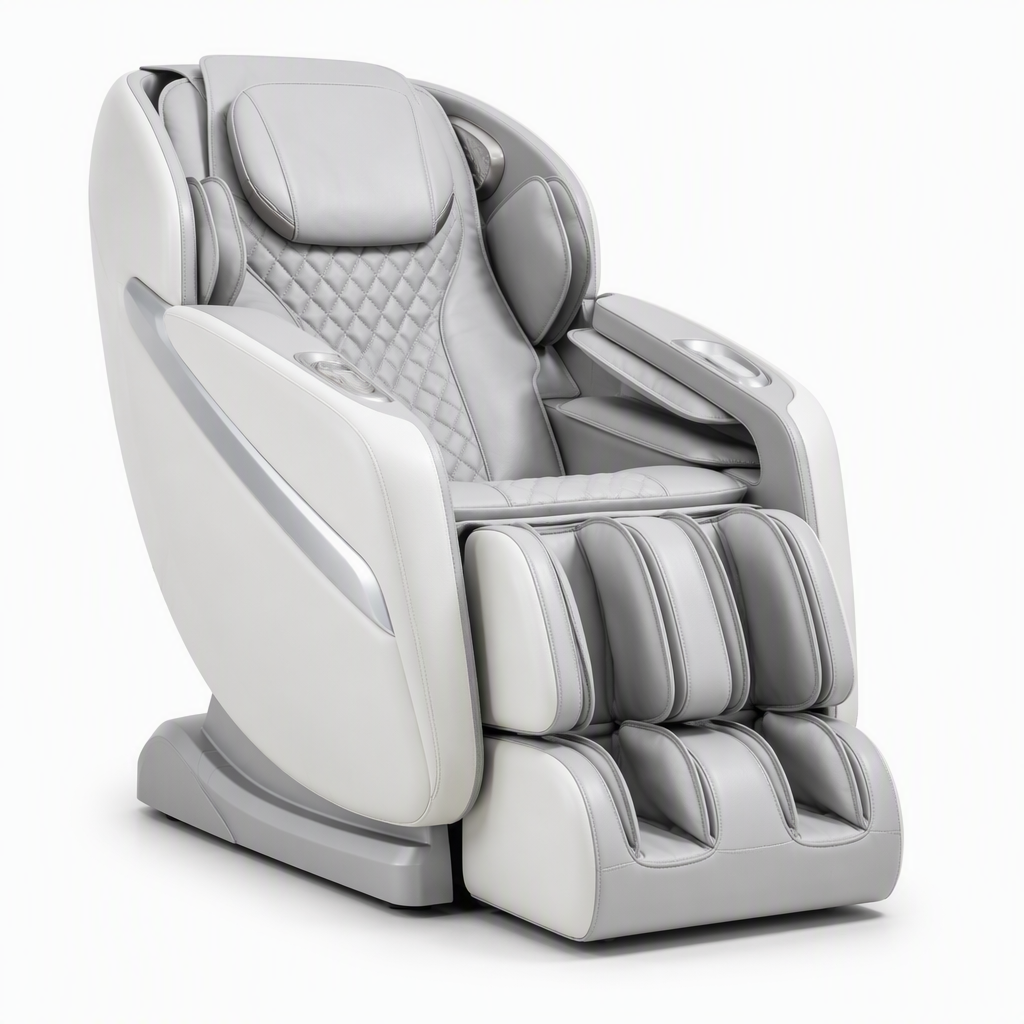
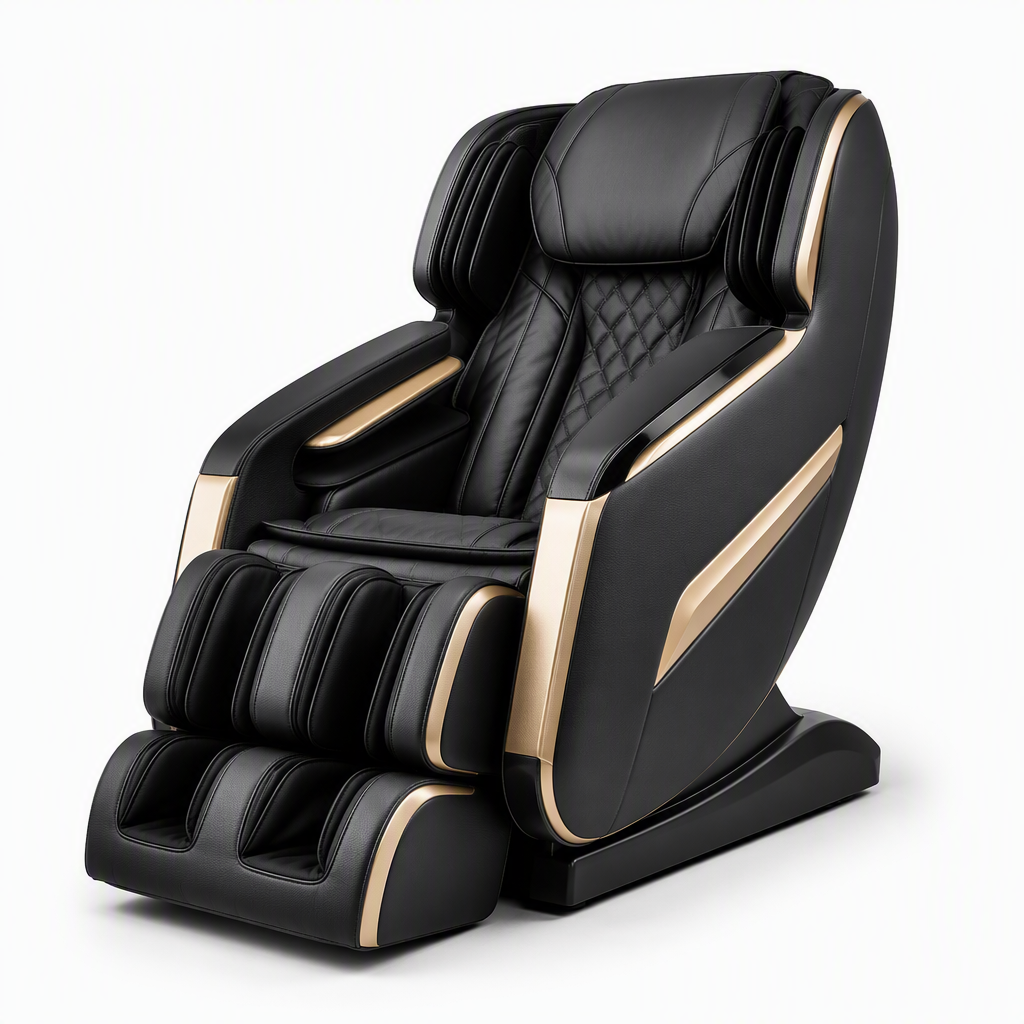
Map the ladder before requesting quotations. A workable structure separates home use, luxury recliner and commercial use, because the three groups differ in mechanism, frame strength, upholstery and control interface. A supplier that can show a distinct model for each group is easier to plan with than one whose entire catalogue is a single design with cosmetic variants.
Ask for the model list with confirmed specifications for each line, including dimensions, net weight, carton dimensions and control interface language. Where a figure is not yet confirmed, ask the supplier to state it as available on request rather than supplying an estimate.
Mechanism, Materials and Upholstery Questions
Mechanism questions decide long-term quality. Ask how the roller assembly is guided, what material the track is made from, and how the unit behaves when the same programme runs for a longer period. Material questions then cover the frame, the upholstery, the foam density and the stitching, because these are the areas that generate returns in retail channels.
For upholstery, ask for the material name and the care instructions that will be printed in the user manual. For the frame, ask for the load rating and how the frame is joined. Where the supplier cannot give a confirmed figure, that item belongs on your pre-shipment inspection list.
Certification Scope and Paperwork
Certification is where supplier claims most often drift from the documents. Request the certificate copies that apply to the model you intend to order and check that the model reference and the standards listed match the unit being quoted. Where a document is issued against a family of models, confirm that your model is inside that family.
Availability of certification for a model is a question for the supplier, not an assumption. Where a document is not available for a specific configuration, ask what the supplier can provide before the order is placed.
Spare Parts and After-Sales Planning
Ask for a spare parts list before the first order, not after the first failure. The list should name the parts that move and wear, the parts that carry electronics, and the parts that are cosmetic. Confirm how those parts are ordered, in what quantity, and whether they ship with the main order or separately.
Also ask how a technical question is handled after delivery. A supplier that routes technical questions to a named contact with a documented response process is easier to work with than one that answers only during the negotiation stage.
Order Planning and Communication
Once the technical comparison is done, compare the process: who confirms the order, who approves the artwork, who signs off the pre-shipment inspection and who releases the shipping documents. Ask for the standard sequence in writing and check whether each step has a named owner and a defined output.
Finally, compare how each supplier responds to a question that is not convenient. The quality of that answer predicts the quality of the cooperation more reliably than any catalogue.
Quick Evaluation Table
| Importer requirement | Factor to review |
|---|---|
| Range depth | Which models are produced in house and which are sourced from third parties |
| Mechanism transparency | Whether the supplier explains track type, roller behaviour and airbag grouping in plain terms |
| Material confirmation | Upholstery name, care instructions, frame load rating and stitching method |
| Certification scope | Whether certificate copies name the exact model and configuration being ordered |
| Spare parts support | Parts list, ordering method and whether parts ship with the main order |
| Process ownership | Named owner for order confirmation, artwork approval, inspection and documents |
FAQ
How many suppliers should an importer compare before ordering?
A shortlist of three to five suppliers is usually enough to compare range, mechanism explanations, certification scope and process discipline. Comparing more than that rarely adds new information and slows the decision.
What questions should be asked in writing?
Anything that affects the delivered unit: model references, dimensions, upholstery material, control interface language, certification scope, spare parts list and the inspection steps. Written answers create a record that can be compared across suppliers.
How can a first order be planned with less risk?
Start with a sample or a small trial order that uses the same specification as the planned bulk order, and keep the inspection, packaging and document steps identical. Request the wholesale catalogue and the current specification sheet for the models you are considering.
To compare our current model ladder and specification sheets, request the Molink wholesale catalogue or contact us with the market and channel you are planning for.